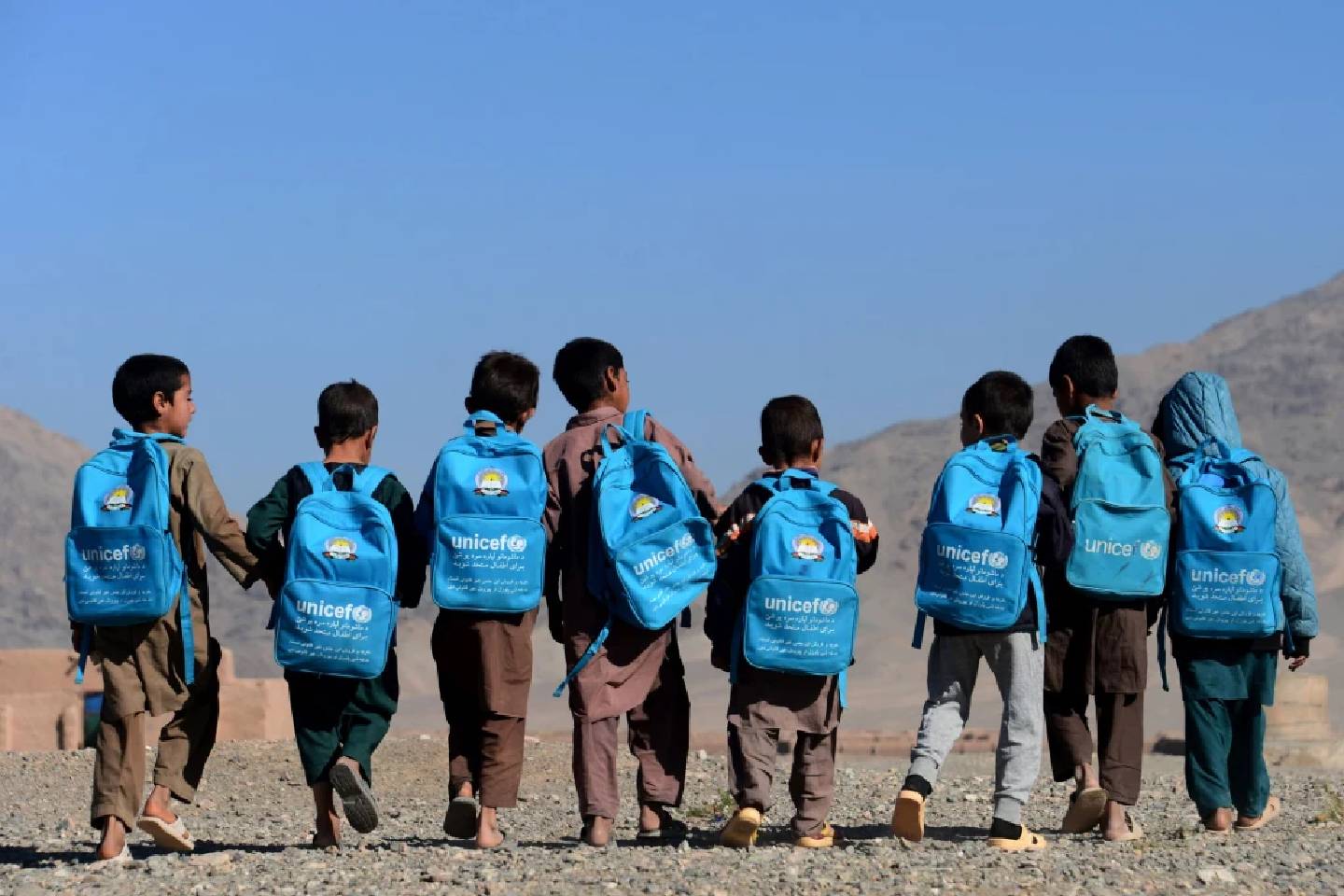
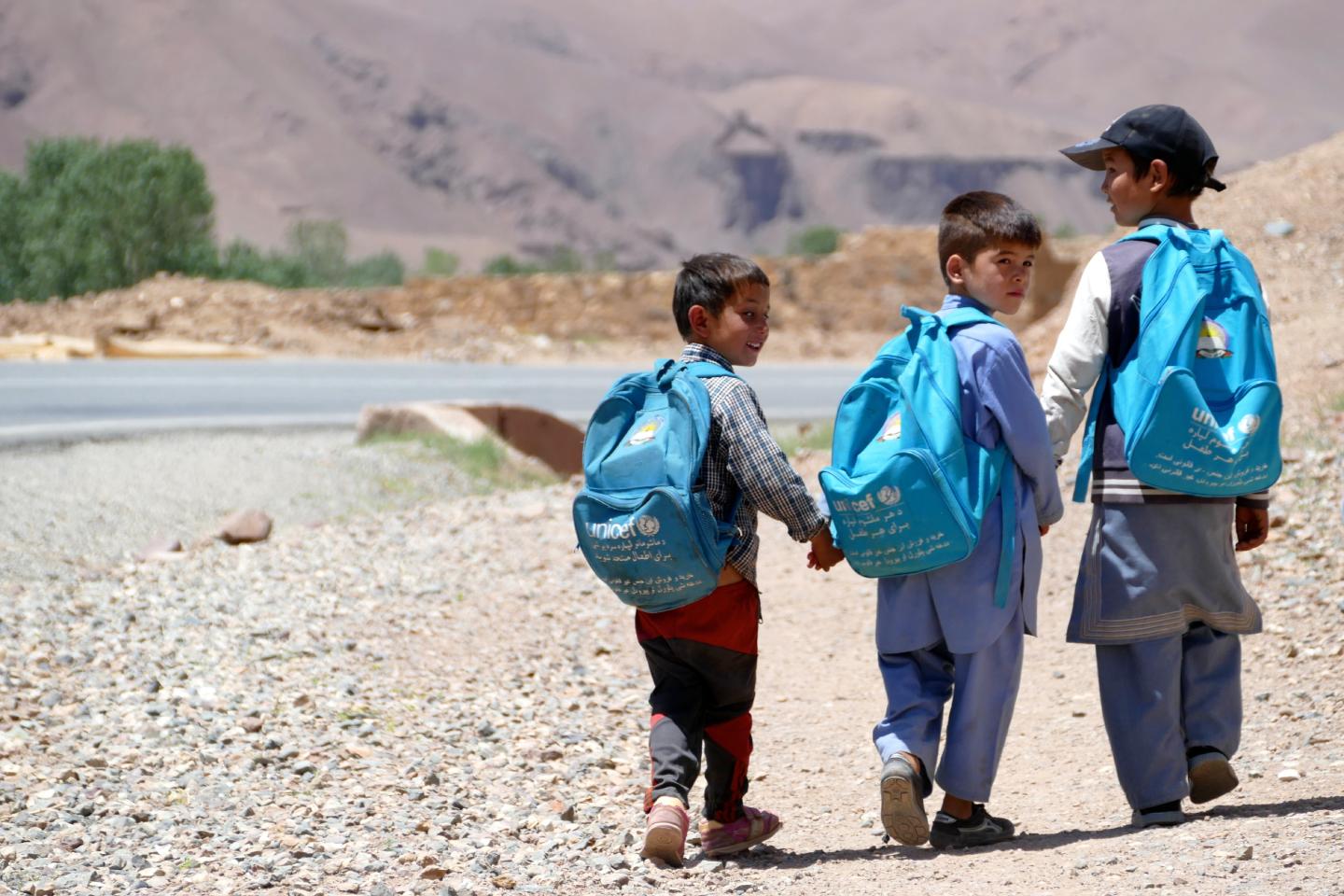
Creating opportunities for poor children provides access to quality education, including free schooling, books, uniforms, and tuition support. It offers nutritional support through school meals and take-home food supplies to improve health and concentration. It includes healthcare access such as regular checkups, vaccinations, and mental health support. It creates safe spaces for learning, play, and after-school tutoring to keep children away from child labor or streets. It supports skill development through art, sports, computers, and vocational training from an early age. It provides scholarships and mentorship programs to help children continue to higher education. It empowers families with parenting education and income support to reduce child poverty at home. Investing in poor children breaks the cycle of poverty and builds a brighter, more equal future for everyone.